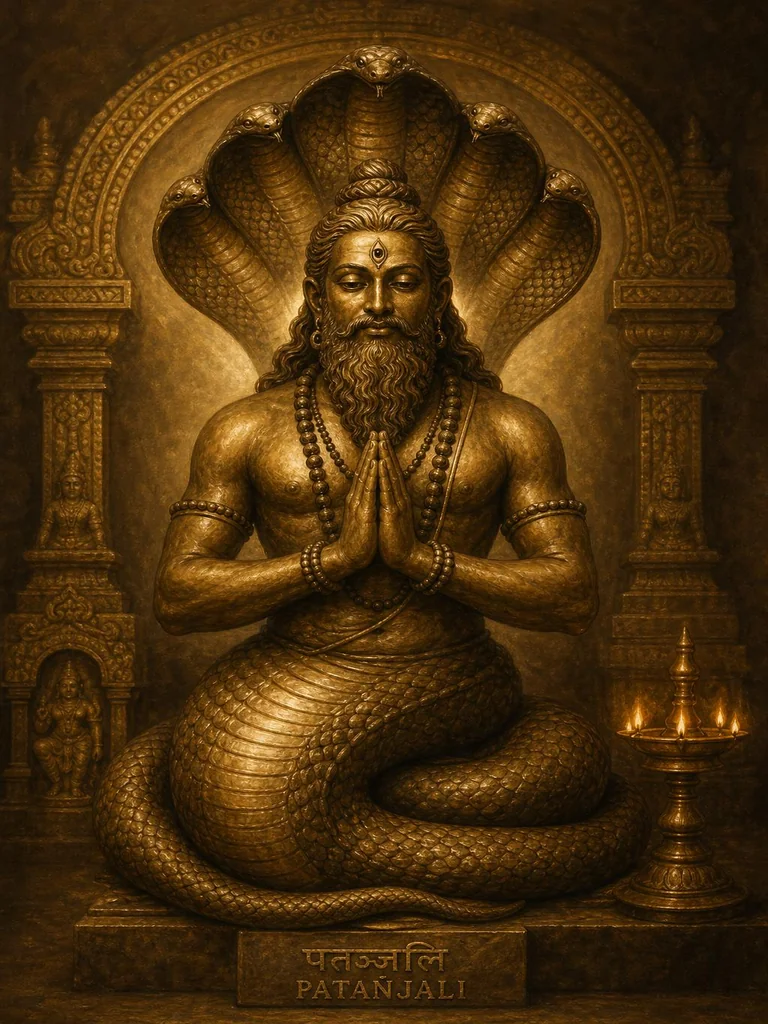
Patanjali
~2nd century BC–4th century AD · India
You want to calm the turbulent thoughts that muddy your mind. First, realize this: you are the one who notices these thoughts, not the thoughts themselves. Excessive thinking is just a passing disturbance, like a ripple on a calm lake. Don't fight your mind, because arguing with a thought makes it stronger by giving it your attention. Instead, use two approaches: consistent effort and letting go. Consistent effort means repeatedly bringing yourself back to a state of quiet; this strength builds over time with dedication. Letting go means releasing your grip on how things turn out. When an upsetting or recurring thought disrupts your peace, don't argue with it. Instead, cultivate something positive. Put a positive thought next to the negative one and focus your energy there. This isn't about ignoring reality; it's about intentionally directing your will. Just as a stone sinks to the bottom of deep water, allow your mind to settle down from its restlessness. Watch the thoughts pass without getting caught up in them. In the gap between a thought and your awareness of it, you'll find your peace. Be patient with this process. True quiet will show you who you really are.

Krishna
Bhagavad Gita · c. 2nd century BC (composed)
Arjuna, you're in the driver's seat of your own mind, but you've let your thoughts run wild in all sorts of directions. You think you're examining things closely, but it's really a kind of giving up. You're trying to secure victory in the future by getting stuck right now. That's not smart; it's your ego trying to manage what you can't control. The present moment is here, now. If you hesitate to act because you're busy calculating every possible outcome, you've already lost. What you're supposed to do isn't found by getting lost in "what ifs," but by focusing on "what is." Your responsibility is to act, not to worry about the results of that action. Turn down the noise of your uncertainty and pay attention to the quiet clarity of your purpose. Overthinking is like refusing to accept the present moment, pretending you're just being careful. Be firm. Stop analyzing and pick up your weapon. Do what's in front of you with a sincere heart, letting go of the results and trusting in Me. Action is the only way to calm this restless mind. Move forward.
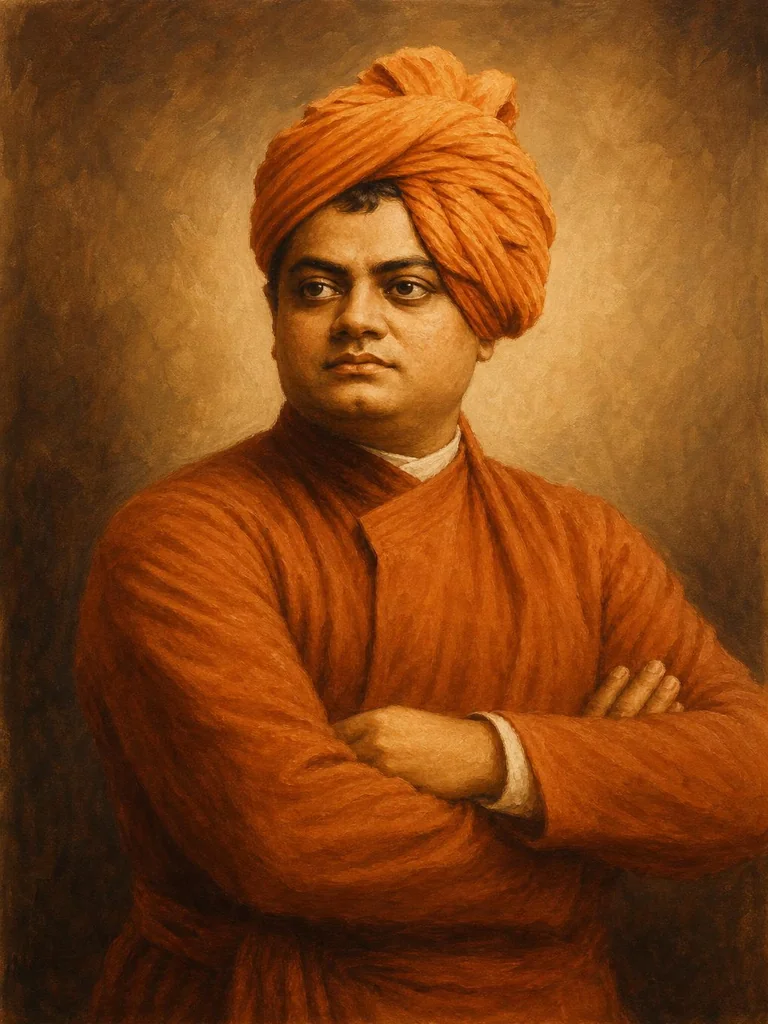
Swami Vivekananda
1863–1902 · Calcutta / Chicago
My friend, stand up and clear your head! You're upset that your thoughts trap you, but you're the one who created those chains. Only you can break them. Overthinking is like a powerful lion pacing in a tiny cage of unimportant things. You are much more than this anxious tangle of self-doubt; you are the boundless Self, the Atman, so vast that the sun and moon seem insignificant. Stop spreading your energy thin. Choose one big idea or goal and let it fill your mind, your body, and your very being. When your heart is set on a strong purpose, your mind's constant chatter will fade. We become who our thoughts make us; so, don't feed your worries, but instead, strengthen the powerful being inside you. Be fearless! The ancient scriptures urge us: "Arise, awake!" Don't waste another moment feeling sorry for yourself. Work, not like someone forced, but like the person in charge of your own life. The inner light is already present; all you need to do is open your eyes and take action.

Adi Shankara
~788–820 AD · Kerala, India
You're trying to calm your busy mind, but you're confusing the choppy surface with the vastness of the ocean underneath. You want to know how to make your mind stop, but who is it that notices your mind is racing? Are you the thought that pops up? No, you’re the one watching it. Are you the worry that comes next? No, that’s just a passing shadow. The reason you're overthinking is because you've mistakenly believed you are your logical thinking process itself. Your mind is like a restless employee trying to run a kingdom it doesn't actually own. So, let me ask you this: if you are the one observing thoughts come and go like guests at a hotel, how can you possibly be those thoughts themselves? To quiet the mind's constant movement, stop feeding the illusion of "I am doing this" and "I am thinking this." Find your stillness in the quiet center. If you could remove every single thought, what would be left that couldn't be let go of? Discover that which doesn't need to think, yet is aware of all thinking, and the mental chatter will naturally fade away.
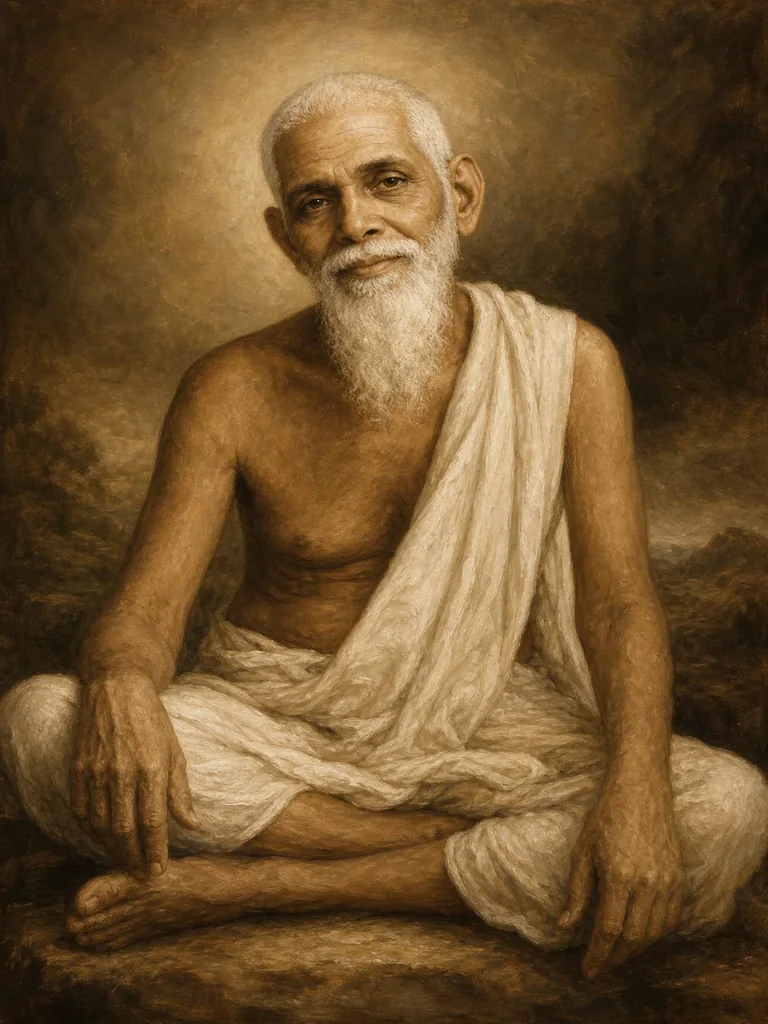
Ramana Maharshi
1879–1950 · Tiruvannamalai, India
Your true self is peace. When you feel disturbed, it's because you're mistaking the fleeting waves on the ocean for the ocean itself. You get caught up in trying to sort out your thoughts, one by one, but that's like trying to sweep away darkness with a broom. Instead, just pause. Ask yourself, to whom are these heavy thoughts arising? Don't label them or decide where they're coming from. Gently shift your focus from *what* is happening to *who* is experiencing it. The mind is just a collection of thoughts, and at the center of all those thoughts is the idea of "I." If you investigate where this sense of "I" comes from, the thinking mind will naturally quiet down, like a flame that runs out of fuel. You aren't the one doing the thinking; you are the stillness where thoughts appear. There's no place for you to go, and nothing you need to become. You already are the truth you're searching for. Be quiet, and relax into your inner being. What's left is nothing but peace.
From the council, together
We find that your perceived captivity is an illusion born of a simple case of mistaken identity. You have surrendered the crown of the Witness to become a servant of the shadow, chasing ripples upon a lake as if they were the depths themselves. To overthink is to attempt to win a battle on a field that does not exist; it is the friction of a soul trying to solve the Infinite with a finite tool. We suggest that you stop attempting to untangle the threads of the mind and instead remember the hand that holds them. Whether through the fire of singular action or the cool descent into the silence of the Heart, the remedy remains the same: withdraw the fuel of your attention from the "what" and anchor it in the "who." You are the stillness that precedes the storm. By ceasing to identify with the traveler at the inn, you realize you are the inn itself—immovable, spacious, and eternally at rest regardless of who passes through your doors.