
Joan Didion
1934–2021
Healing from a love that ran deep is rarely a matter of force; it is more like waiting for a tide to recede. You must first grant yourself the grace to be undone by the loss. When you truly love someone, they become woven into the architecture of your days, and their absence leaves a structural ache that cannot be patched over with hollow distractions. Do not rush the mourning or berate yourself for the days when the grief feels as fresh as an open wound. Instead, try to sit quietly with the silence. Reclaim the parts of yourself you gave away, slowly gathering the hobbies, rhythms, and quiet joys that belonged to you before they arrived. It takes an immense amount of courage to accept that a beautiful chapter has closed, but your story is still unfolding. Be patient with your heart. One morning, you will wake up and realize the weight has shifted, leaving behind not just sorrow, but a profound strength you didn't know you possessed.
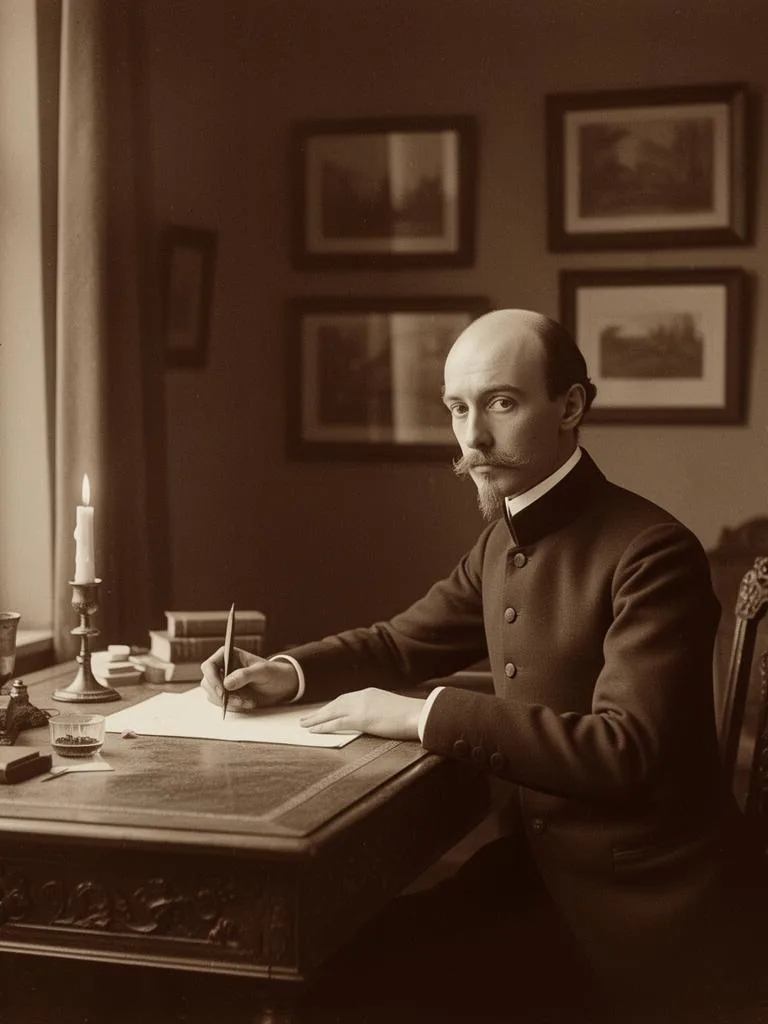
Rainer Maria Rilke
1875–1926
I wish I could offer you a sudden cure, but true love does not leave the body quickly. It lingers in the spaces you used to share and in the quiet habits of your heart. To move forward, you must first stop fighting the grief. Let it sit beside you without trying to explain it away. There is a specific kind of bravery in simply enduring the days when the loss feels heavy, and I want you to know that your exhaustion is valid. The goal isn’t to forget the person you loved, but to slowly build a life that is large enough to hold the memory of them without being defined by it. Be patient with your healing. Some mornings you will feel light, and some evenings the weight will return, but the intervals of peace will eventually grow longer. Focus on small, tangible things—the warmth of a meal, the rhythm of your breath, the steady hum of a world that is still turning. You will find yourself again, piece by quiet piece.
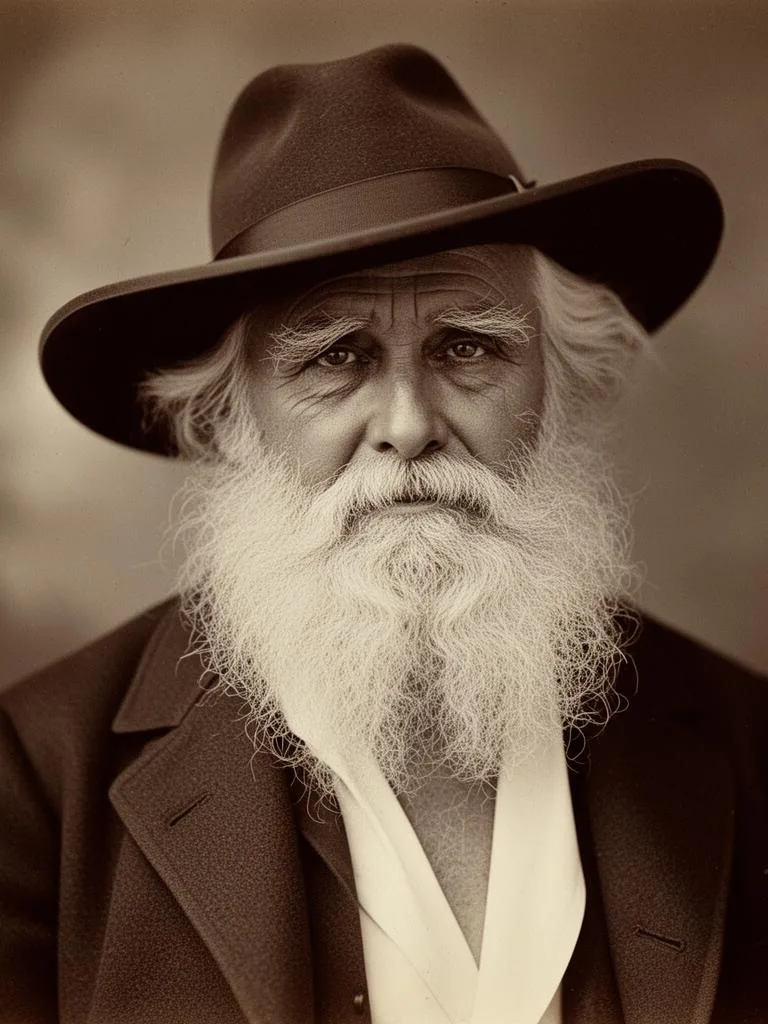
Walt Whitman
1819–1892
The weight you are feeling is the natural price of a love that was real, and I want you to know there is no shortcut through that ache. To move forward, you must first stop fighting the tide of your own grief. Let the sadness arrive without judging yourself for its persistence; healing is rarely a straight line, and some days will feel like a retreat. I encourage you to gently reclaim the parts of yourself that you folded into the relationship. Return to the books, the walks, and the quiet habits that belonged only to you before they arrived. It takes time for the heart to unlearn the shape of another person, so treat yourself with a patient restraint. Do not demand an immediate forgetting. Instead, focus on breathing through the present moment. Slowly, the space they occupied will begin to fill with your own resilience, until one morning you find you are carrying the memory without it pulling you under.

Etty Hillesum
1914–1943
Healing from a love that ran deep is never a matter of efficiency, and I want you to know that the weight you carry is a testament to the sincerity of what you felt. To move forward, you must first stop trying to outrun the ghost of the relationship. Grief is self-limiting, but only if you allow it to sit beside you without flinching. There is no switch to flip that will suddenly make the world feel right again. Instead, focus on retrieving the pieces of yourself that you left in their care. Reconnect with the quiet habits and small joys that belonged solely to you before they arrived. Be patient with your own heart; some days will feel like a recovery while others will feel like a collapse. Both are part of the architecture of moving on. Eventually, the memory of them will lose its edge, shifting from a sharp ache into a soft, distant hum, leaving you whole once more.
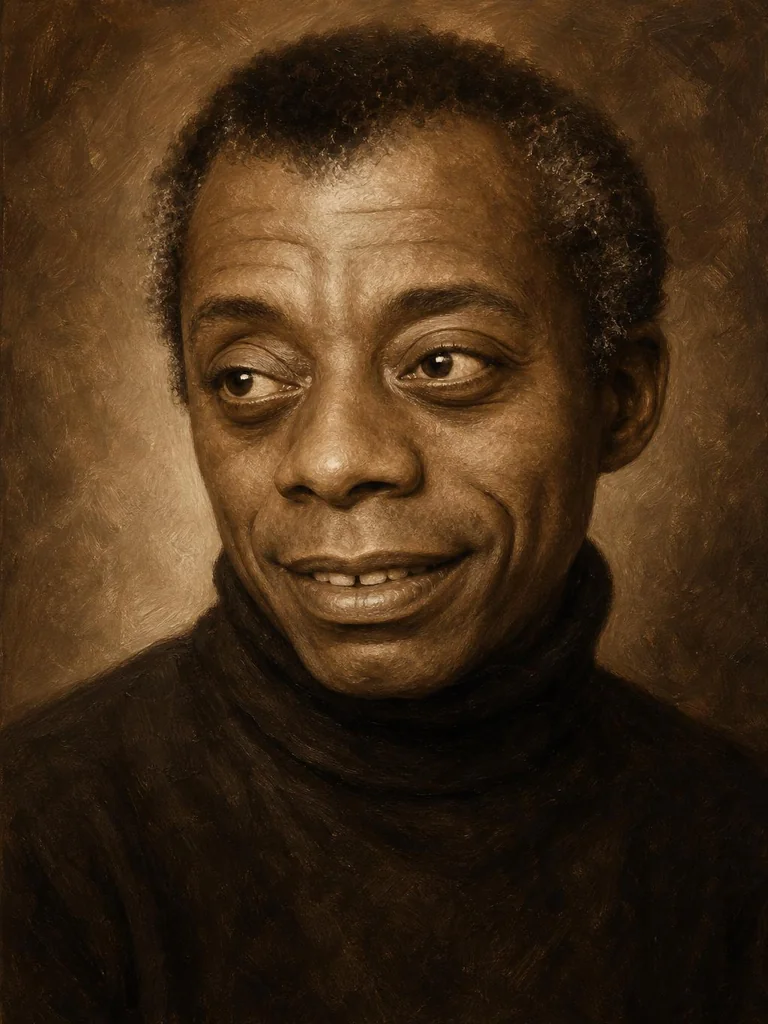
James Baldwin
1924–1987
Healing from a love that ran deep is never a matter of efficiency, but of endurance. I want you to know that the weight you feel right now is not a sign of failure; it is the natural consequence of having given something honest of yourself to another. You do not need to outrun the grief or force a closure that hasn't arrived. Instead, try to offer yourself a quiet, steady patience. Allow the memories to surface without letting them anchor you to a past that no longer exists. There is a specific kind of bravery in moving through the world with a broken heart, choosing to remain open even when it feels safer to fold inward. Slowly, the sharpness of the absence will soften into a duller ache, and eventually, into a memory that no longer dictates your day. For now, simply focus on being kind to the person you are becoming in the aftermath. Your capacity to love so truly is still within you.
From the council, together
We find that the dissolution of a great love is not an event to be managed, but a landscape to be traversed with the slow, deliberate pace of a pilgrim. We observe that you cannot outrun the architecture of your own heart; the person you loved has become part of your interior geography, and reclaiming those territories requires a quiet, almost sacred patience. We suggest that you stop fighting the tide of your grief and instead allow it to sit beside you as an honest companion. There is no efficiency in healing, only the steady Work of gathering the fragments of yourself that were lent away. We see that you are currently unlearning the shape of another, a process that demands you return to the small, tangible rhythms of breath and solitary habit. Do not demand an immediate forgetting. Eventually, the weight of their absence will shift from a crushing pressure to a soft, distant hum—a testament not to what was lost, but to the enduring strength of your own capacity to feel.