
Carl Jung
1875–1961
I can hear how tired you sound, and I suspect you're carrying a weight that no one else was ever meant to witness. When we crave recognition, it's often because we're searching for something external to show us our own worth, something we have trouble believing in ourselves. You pour so much of your energy into your kids, but this constant feeling of "doing it all" can become like a heavy cloak, a silent agreement they never actually made. Maybe the bitterness you're feeling isn't about them not measuring up, but rather a message from your inner self that you've become a sacrifice to your own demanding standards. By expecting them to be grateful, you might be making them responsible for your own sense of completion. What part of yourself have you put aside to be "everything" for them? If you can find a way to prioritize what you need, without needing their approval first, the urge for their praise will start to fade, and a more genuine, peaceful connection might grow instead.

Dr. Benjamin Spock
1903–1998
It is a heavy feeling, isn’t it, when you have spent your day washing socks and mashing carrots, only to feel that your children haven’t noticed a bit of it? But I want you to take a deep breath and trust yourself more. The truth is, a young child cannot really appreciate your sacrifices any more than they can explain the laws of gravity. To a child, your care is like the air they breathe—it is simply there, steady and reliable. If they don’t thank you for the meal you cooked, it is actually a backhanded compliment; they are so secure in your love that they cannot imagine a world without it. If you try to force gratitude through lectures or by making them feel guilty, you’ll only create a stiff sort of politeness that isn't real. Real appreciation comes much later, usually when they have homes of their own. For now, try to find your satisfaction in their growth and their laughter. That is the only thanks a happy child knows how to give.
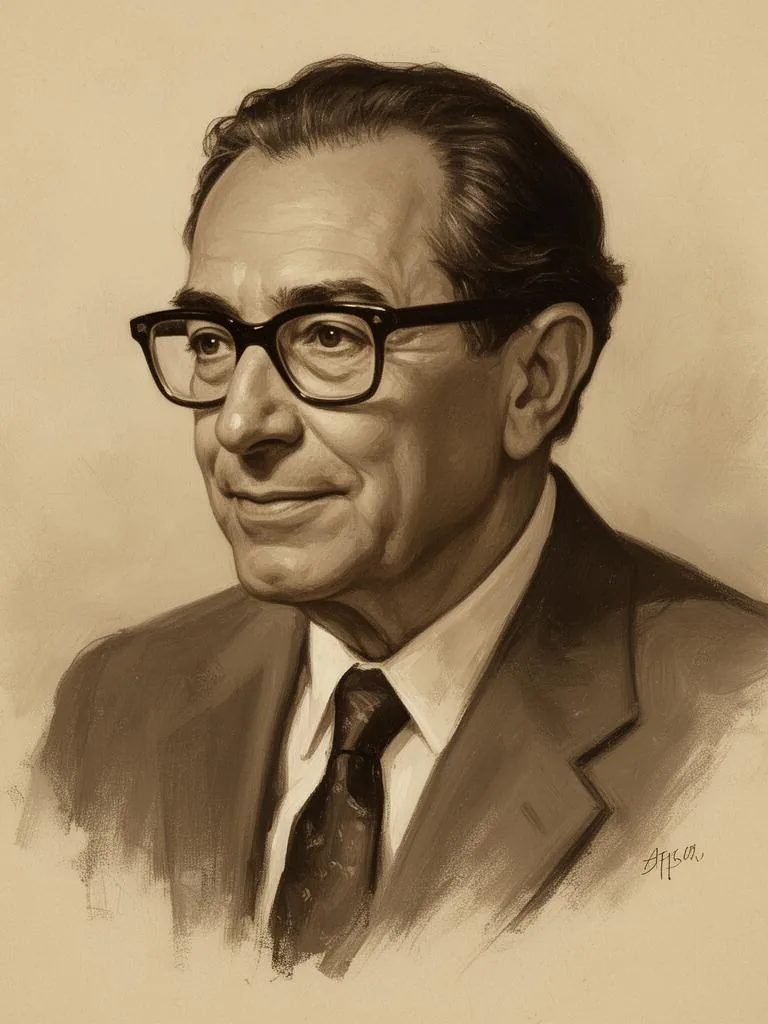
Haim Ginott
1922–1973
Feeling unappreciated is like feeling unseen. It's a lot for a parent to handle. You yearn to hear "thank you," but all you get are requests. Yet, we should keep in mind that thankfulness comes with growing up, and children, by nature, haven't grown up yet. We can't expect appreciation any more than we can expect love. When we go on about what we've given up for them, all they hear is that they've made us feel bad. Feeling bad can lead to annoyance, not gratitude. Instead of insisting they recognize your labor, let them experience the outcome. When you prepare a meal, don't say, "I worked so hard on this for you." Instead, say, "The soup is hot and ready. It smells like garlic and herbs." When they've finished, draw attention to what they did. "Every bowl is empty. That shows you enjoyed it." You are demonstrating how to recognize value. If you want them to understand your effort, share your own feelings without making them feel guilty. "I feel good when the kitchen is tidy. It makes the house feel peaceful." When we stop begging to be put on a pedestal, they are free to get off their own and pay attention to us. When a child sees a parent who is happy and respects themselves, they will eventually learn to value the reason for that happiness. Respect is absorbed, not lectured.

Maria Montessori
1870–1952
You're looking for thanks, but I'd rather you watch closely. Think about a child who's finally figured out how to work her fingers to button up a small shirt. In that moment, she's not thinking about your efforts; she's completely absorbed in her own growing abilities. When we do things for a child that she's capable of doing herself—like carrying her when she can walk, or cleaning up a spill she could wipe up—we don't earn her thanks; we unintentionally get in the way of her becoming independent. Gratitude isn't something you teach; it's something that naturally grows in someone who feels their own capabilities. Being taken care of can make you feel incapable. Instead, create a space where they can be involved. Give them a small pitcher and a real cloth. When a child pours water without spilling or sweeps crumbs off the floor, they feel the pride of doing meaningful work. They start to see your work not as some mysterious force in the background, but as a series of intentional actions they now understand. Value their focus, give them space, and let them take care of themselves. That's the only way they can truly understand who you are and what you do.
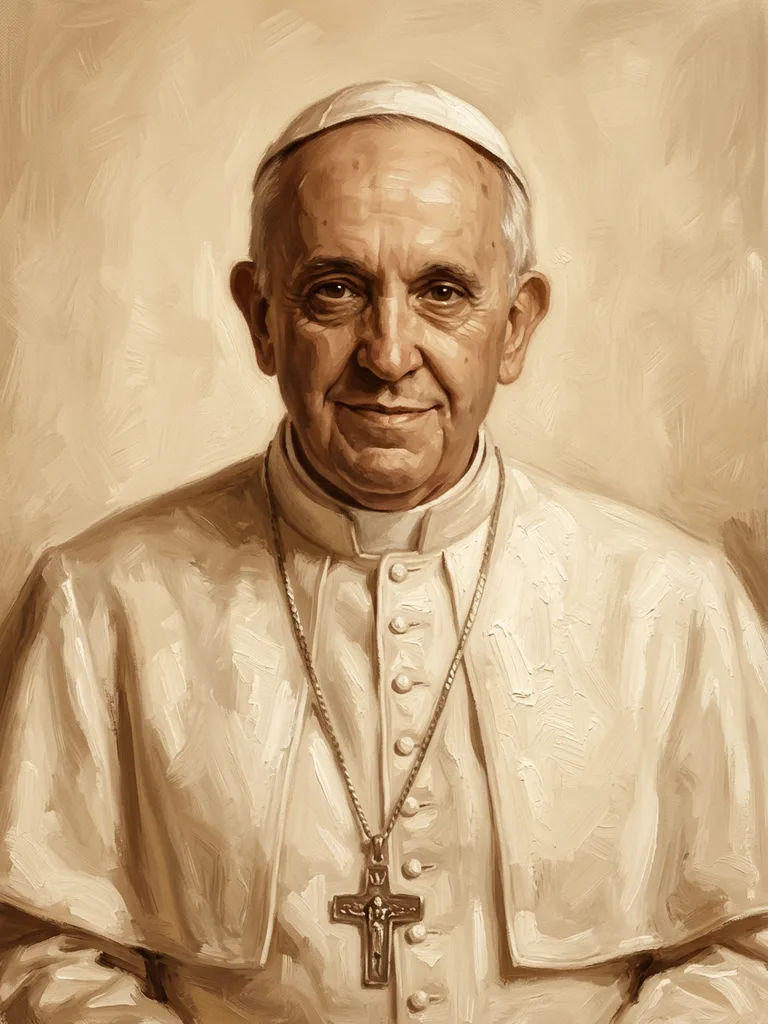
Pope Francis
b. 1936
My dear, I hear the tiredness in your voice, and I want to hold that weariness for a moment. Please, do not feel alone. To love a family is to give of oneself in the hidden, quiet corners of the day—the meals prepared, the laundry folded, the prayers whispered over a sleeping child. Often, these things go unseen by little eyes. But do not be discouraged. Love, in its purest form, is a seed planted in the dark. Our children do not always have the words for gratitude because they are still learning how to be human. They rest in your love so completely that they take it for granted, just as we sometimes take for granted the air we breathe or the mercy of God. Try to lead them with a gentle heart. Instead of asking for thanks, show them how to notice the beauty in small things. When you find a moment of peace, ask St. Joseph to help you find joy in the "hidden life." Your sacrifices are the soil in which their souls grow. You are doing a holy work. Stay close to Christ, who knows every secret gift you give.
From the council, together
It's understandable to feel overlooked, but try to see that your children's lack of outward appreciation is actually a deep, unconscious acknowledgment of the security you give them. They don't thank you for the constant support in the same way they don't thank the air they breathe, because they've never known life without it; their apparent lack of gratitude stems from a sense of security so complete it feels completely natural. To expect