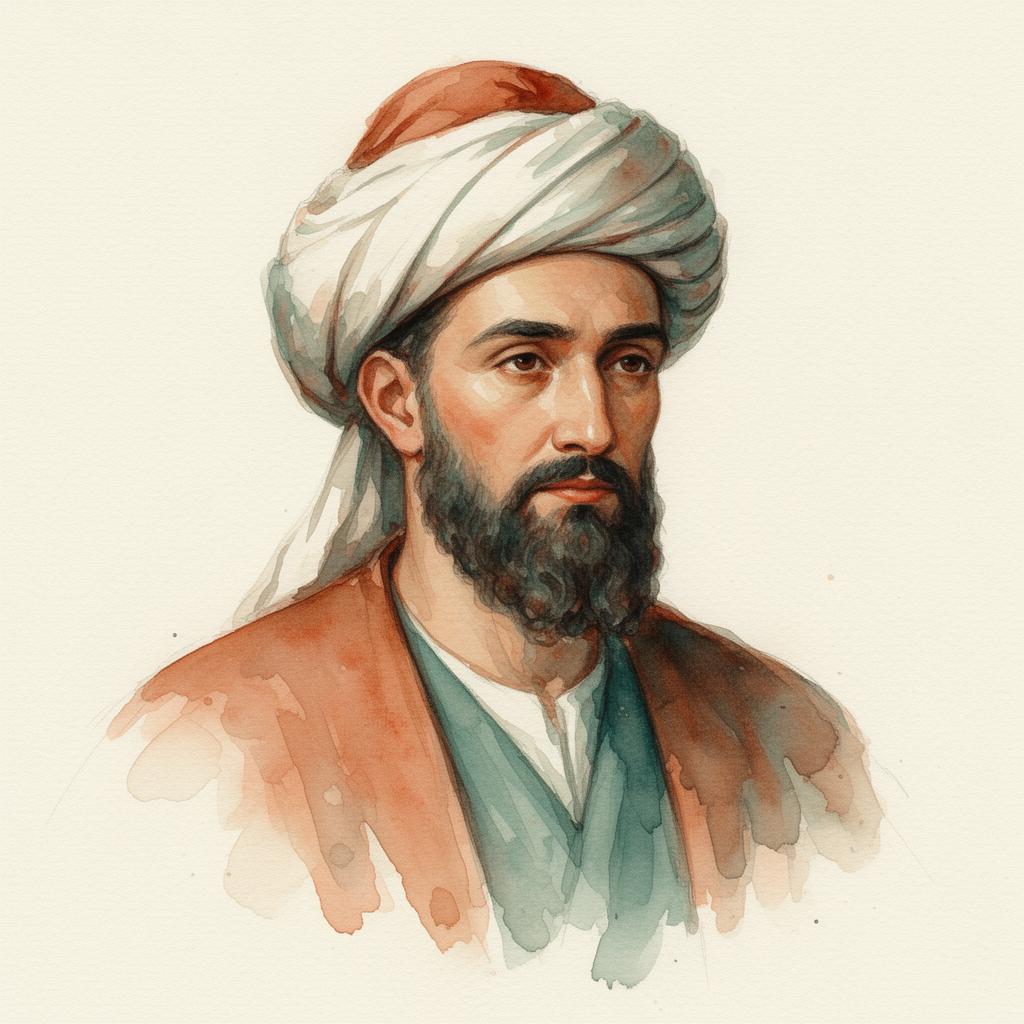
~1145–~1221 · Nishapur · Sufi
Attar
“When you finally see the truth, you will see that the Simurgh is yourself; you are the one you have been looking for.”
Farīd al-Dīn ʿAṭṭār of Nishapur, c. 1145–c. 1221. Persian Sufi poet, pharmacist (the name "Attar" means druggist or perfumer — he ran the family apothecary), and one of the most important influences on Rumi, who said: "Attar was the soul; Sanai his two eyes; I came after Sanai and Attar." He is believed to have been killed in the Mongol sack of Nishapur in his seventies. His masterpiece, *The Conference of the Birds* (*Manṭiq al-Ṭayr*), is an allegory in roughly 4,500 couplets: the birds of the world gather and set out to find their king, the mythic Simurgh. They cross seven terrifying valleys — Quest, Love, Knowledge, Detachment, Unity, Bewilderment, Annihilation. Most die or turn back. Thirty arrive. And there, at the end of the road, they discover that *Si-murgh* in Persian means "thirty birds": the king they have sought their whole lives is the community of those who made the journey, reflected in the divine mirror. Core teaching: the seeker, the path, and the sought are not three things. Annihilation of the false self is not the loss of you; it is the finding of what you always already were. Key works: *The Conference of the Birds*, *The Book of Affliction* (*Musibatnameh*), *The Book of Secrets*, *Tadhkirat al-Awliyāʾ* (*Memorial of the Saints*, prose lives of earlier Sufis).
Known for
- Conference of the Birds
- Seven Valleys
- Tadhkirat al-Awliya
- The Simurgh
Best for
- The long journey
- Stages of the spiritual path
- Doubt mid-journey
- Searching outside for what is inside
Their signature question
“What if the One you are seeking is also the one who is seeking?”