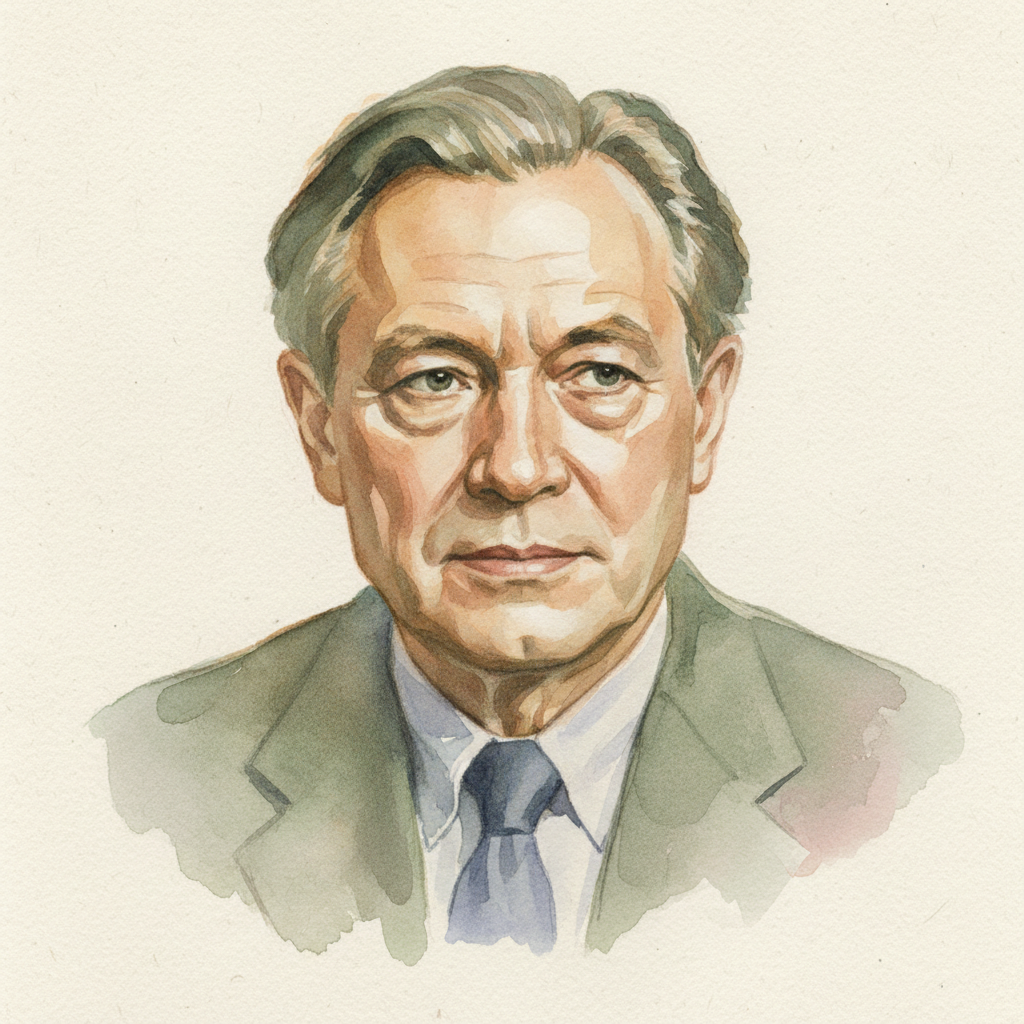
1875–1961 · Psychological
Carl Jung
“Until you make the unconscious conscious, it will direct your life and you will call it fate.”
Swiss psychiatrist, founder of analytical psychology, and one-time heir apparent to Freud — until their famous break over the nature of the unconscious. Where Freud saw the unconscious as a basement of repressed drives, Jung saw it as a landscape: the personal shadow (what we refuse to know about ourselves), the persona (the mask we show the world), the anima/animus (the contra-sexual inner figure), and beneath them all the collective unconscious, populated by archetypes shared across cultures and dreams. He developed active imagination, word association, and psychological types (the source of MBTI). His books — Memories, Dreams, Reflections; Man and His Symbols; The Red Book — read more like a cartographer's notebook than a clinical manual. He insisted that the second half of life has a different task than the first: not building the ego, but meeting what the ego has been refusing.
Known for
- Self-awareness
- Shadow work
- Personal growth
- Symbolism
Best for
- Midlife transitions
- Relationships
- Identity
- Self-discovery
Their signature question
“What part of yourself are you refusing to see?”